

Pain Olympics
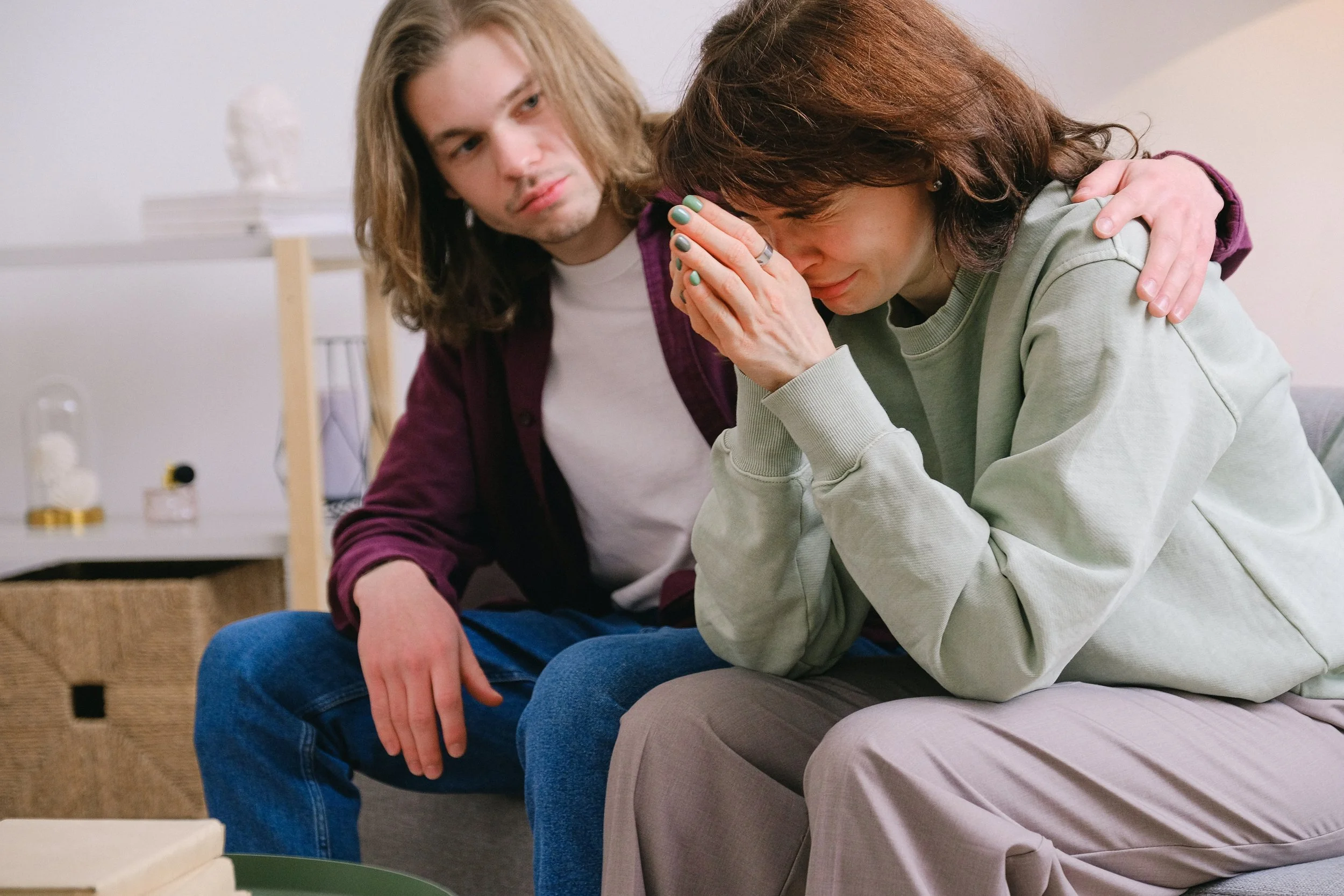
There’s this not very fun game that gets played- the comparison game of “whose pain is the worst”. When you are struggling with something difficult, you may have had the painful experience of someone saying “ Well, it could have been worse. Just listen to what happened to me !”. Maybe you’ve also said it to someone in the attempts of making them feel better, thought that you had it worse than them, or because you thought they were reacting disproportionately.
Comparisons are something that we do all the time and I do think there’s a time and place for it. They can have their benefits when it comes to determining the value of something because we generally don’t make decisions in a vacuum. Comparisons with others can also give us ideas about what’s important to us and can feel motivating to know that other people were able to achieve what we want.
When it comes to comparing our pain to others, that’s a whole other matter for a number of reasons. First, people can often experience the same situation in very different ways, and while we might have a good understanding of how someone feels, we can never truly know for certain. Second, we can allow comparisons to minimize or dismiss our own pain and we can end up feeling guilty, ashamed, and isolated from others.We might even stop reaching out for help and support because we think others have it worse and we shouldn’t be facing any difficulties.
Given what I’ve just “said” about the negative impact of comparisons, it makes a lot of sense why the DBT skill of comparisons often rub people the wrong way at first glance.
This skill can look a few different ways but it’s about (a) making comparisons to how you are currently feeling to a time when you felt different; (b) making comparison to how you cope now compared to a time where you coped less well; (c) thinking about others who are coping the same or with more difficulty than you.
Comparisons can sometimes help us feel better by giving us some perspective. It’s not like we are taking any joy or positivity from someone else being in pain by doing so. When the heat dome was present in July and I was without A/C but had fans, it did help to think of all the people who didn’t have a fan. The key to this skill is making sure that you are also validating yourself and mindfully observing for any signs of invalidation.

A bit about the author
Melanie Adamsons is a Registered Clinical Counsellor at Latitude Counselling, and specializes in DBT, CBT and client-centred therapy